
Podcast Episode 51: March 6, 2026
Watch the Video
Listen Now
How did you sleep last night?
So many midlife women are struggling. Do we need sleeping pills? Separate bedrooms? A better mattress?
Before you do anything drastic, stay tuned for 5 simple sleep secrets that really work. I know because insomnia drove me crazy through perimenopause. And then the hot flashes decimated any shreds of sanity that were left.
This episode is based on the latest sleep science but also my own laboratory… my bed! Each of these 5 secrets are ones that I use and follow religiously to get proper rest.
I come from the world of yoga and mindfulness so I am offering solutions that are holistic, gentle and have stood the test of time. All of what we’re discussing today is contained within my signature program, SHE Mindfulness. This comprehensive online course provides the information, support and structure that women like us need to get our lives back on track.
But it really starts with sleep. So let’s dive in.
You’ve heard the dire warnings. And I don’t want to add to all the doom and gloom. You know how shitty you feel when you don’t sleep. And I am going to offer five simple secrets to building better sleep. Don’t worry.
But we do need to recognize the seriousness of this problem. So many of my clients and friends kind of take a martyr like view of this. Oh well. This is just my cross to bear. I’m used to suffering. And I say… bullshit! Girlfriend, this is just unacceptable. Somewhere along the line, women are fed this crap that if we suffer and still show up for the ones we love then we are morally superior. Again I call bullshit. Why is it that women do all the suffering? Where did I sign up for that???
Here’s why your sleep matters.
Really matters.
1. Metabolic Dysfunction (Weight Gain, Insulin Resistance, Diabetes)
Sleep loss directly disrupts blood sugar regulation.
When you’re short on sleep:
insulin sensitivity drops
cortisol rises
hunger hormones increase (more cravings, especially carbs)
fat storage shifts toward the belly
Even one poor night of sleep can raise blood glucose the next day regardless of what you ate. Over time, chronic sleep deprivation significantly increases the risk of:
insulin resistance
type 2 diabetes
stubborn midlife weight gain
This is one of the strongest and most underappreciated links.
2. Cardiovascular Disease (Heart Disease & High Blood Pressure)
Heart disease is the #1 killer of women, and sleep plays a major role.
Insufficient sleep:
increases blood pressure
raises inflammation
disrupts cholesterol balance
increases risk of stroke and heart attack
Women who consistently sleep fewer than 6 hours per night have a much higher risk of cardiovascular disease, even when diet and exercise are good.
Sleep is not passive rest — it’s active cardiovascular repair.
3. Mood, Cognition & Mental Health Decline
Sleep deprivation hits the female brain hard.
Chronic poor sleep is linked to:
anxiety and depression
irritability and emotional reactivity
brain fog and memory problems
increased risk of cognitive decline over time
In midlife, when estrogen is already fluctuating, lack of sleep amplifies:
stress sensitivity
emotional overwhelm
feeling “not like yourself”
This isn’t weakness — it’s neurobiology.
The Big Picture (Why This Matters in Midlife)
For women, especially during perimenopause and post-menopause, sleep is foundational.
Without it:
metabolism can’t regulate
hormones can’t stabilize
the nervous system stays in fight-or-flight
Sleep isn’t a luxury or a reward. It’s preventive medicine.
Now will you take this seriously my friend????
What about sleeping pills?
Because when you haven’t been getting enough rest, and you’re starting to feel pretty frantic, that’s what the doctor has to offer, right? And for a short term fix, it may be just the thing. But for many women, it quickly becomes their go to.
Here’s why I want you to think twice about the pills.
1. They Don’t Fix Sleep — They Sedate the Brain
Most sleeping pills don’t create natural, restorative sleep. They sedate the nervous system.
That means:
reduced deep sleep and REM sleep
impaired memory consolidation
poorer hormonal repair overnight
So you may be unconscious for 7–8 hours… but still wake up unrefreshed, foggy, or anxious. Over time, your brain becomes less capable of producing sleep on its own.
2. Tolerance, Dependence & Rebound Insomnia
Sleeping pills are meant for short-term use, but many women end up on them for years.
What happens:
the same dose stops working
higher doses are needed
stopping leads to rebound insomnia (often worse than before)
This creates a cycle: I can’t sleep without it → I take it → I never relearn how to sleep.
For midlife women, hormonal changes already make sleep fragile — dependence makes it even harder to restore naturally.
3. Increased Risk of Falls, Cognitive Issues & Mood Changes
This is especially relevant after age 50. AND for my clients/friends who are dealing with osteoporosis, this is really important.
Sleep medications increase:
nighttime falls and fractures
next-day grogginess and poor balance
memory and concentration problems
depression and emotional blunting
Long-term use has also been associated with increased risk of cognitive decline, especially when combined with alcohol or other medications. How many of us have a glass of wine at night to relax and then also take the pill? Who can blame us with the level of shit we’re handling every day.
The Bigger Truth (and the Good News)
Sleeping pills are not “bad” — they can be helpful short term, during acute stress or crisis.
But as a long-term solution, they often:
mask the real issue
weaken the brain’s sleep drive
keep the nervous system from recalibrating
The good news?
Sleep is a learnable skill, even in midlife.
Before we get into the five secrets, can I just repeat LEARNABLE skill. Which means these tricks do not work the first time you try them. You are learning about sleep. It takes time.
A bajillion years ago, I took piano lessons. I did not sit down and play Chopin. I started with silly little finger drills that were super boring. But those scales progressed to little tunes and, well I never practised enough so Chopin was off the table, but you get the picture. During those boring practice drills, I was creating the neurological connections that trained my mind/body to play the piano.
When you PRACTICE sleep skills, you get better at sleeping.
Nervous System Regulation
This is a big buzz word nowadays but it’s what we’ve been doing in yoga for millennia. There is a lot more detail on this topic in the SHE Mindfulness program but for today, let’s just highlight that it is your automatic wiring, the nervous system, that decides if you are going to sleep or not.
You know the antsy feeling that your limbs won’t settle? That’s nervous system disregulation. You know the racing, repetitive thoughts? That’s nervous system disregulation. You know how you don’t notice your shoulder all day but when you try to settle to sleep, it kills? That’s nervous system disregulation.
You may think of these symptoms as the reason you can’t sleep. BUT they are symptoms of why you can’t sleep. Your nerves are misfiring. That’s the underlying truth.
I have so much I want to teach you about this topic but I have to stay focused. Let’s pick one tool. Breath.
Breath speaks the language of your automatic wiring. To convince your nervous system to relax, try extending the exhales. So you might inhale for 4 and exhale for a count of 8. Do this for about 5 minutes or so.
You may not immediately fall asleep but you are learning about allowing relaxation. As with any new skill, the more you practice, the faster it takes hold. Consider this breath work 3 x per day for a week or so. Then evaluate your overall stress levels.
2. Blood Sugar Stability
Back in episode #46, I talked in detail about insulin, blood sugar spikes and cravings. Highly recommend you go back and catch that one.
Suffice it to say that if you are getting up in the night to nibble, or if you think you have to have a bedtime snack so you won’t get hungry in the night… you probably have blood sugar issues.
If you feel bloated by day’s end, puffy in the morning… blood sugar issues.
Again, sooo much I want to teach you but let’s pick one tool. Eat enough protein through the day. Most of us need to aim for 30 grams per meal. And not loading all our protein at dinner ladies. Spread it out.
Here’s why that’s important… protein slows glucose absorption. When you eat carbohydrates alone, blood sugar rises quickly — and then falls quickly. Those crashes are stressful for the body. At night, they can trigger cortisol and adrenaline — which wake you up around 2–4 a.m.
Protein provides amino acids used to make:
serotonin
melatonin
GABA
All hormones that support relaxation. And this is why spreading protein across the day matters. Many women eat very little protein at breakfast, some at lunch and most at dinner. This pattern:
destabilizes daytime blood sugar
increases cortisol
sets the stage for poor sleep
To give your nervous system a steady sense of safety, spread your protein out somewhat evenly throughout the day. It matters at night what you’ve ingested through the day.
3. Light Exposure
There’s a little command centre in your brain called the pineal gland. It reads the light in the room. And then it decides whether you should be up and about or sleeping soundly. It gives you these instructions via hormones such as melatonin.
There are common sense ways to reset your pineal gland and the hormones that help regulate your circadian rhythm. By paying attention to light.
I’m going to give two secrets in this regard.
First, get outside first thing in the morning. There is a unique combination of yellow and blue light within the first two hours of sunrise. Your pineal gland will read that clearly that it’s up and go time. Build natural energy, even after a night of poor sleep. It takes about 10 minutes, maybe even less.
Second, reduce exposure to overhead lights from 7 pm onward. Read with a desk light or use a nightlight when you get up to pee. The pineal gland will again read the room and gradually increase melatonin as you get closer to bed time. This is so easy once you are aware.
5. Stretching
Inside the SHE Mindfulness program, I teach a specialized yoga routine for before bed that combines breath and movement. But you can get similar effects from any mindful movement times with breath.
You probably have noticed that you do feel calmer after a yoga class. I love that effect! But here’s why it’s important to recreate that before sleep.
The brain loves rhythm and predictability. The brain reduces threat detection, quiets excessive mental chatter and decreases amygdala activation (fear centre) when you’re stretching softly. This is why mindful movement feels different from exercise — it’s regulating, not stimulating.
Also, many people carry chronic, low-grade tension without realizing it. Hit the pillow and all those aches, pains and creaks magnify. Moving slowly with the breath sends the signal “nothing bad is happening”, reduces protective muscle guarding and helps the body let go of stored tension. Safety is the prerequisite for relaxation.
And when we live our days rushed, anxious and feeling alone, our attention is fragmented. Part of us is always somewhere else rather than right here and now. Mindful movement can bring a sense of coherence that is deeply soothing. It restores a sense of wholeness and safety that is mandatory to release into sleep.
So let’s recap.
If you’re dismayed at menopause belly, brain fog or mood issues, poor sleep is a big part of the picture. Sleeping pills are not the final answer… they don’t replicate proper cycles of sleep and can mask the real issues. And cause some nasty risks for us like falls and depression.
We instead offered five secrets to building the skill of better sleep.
Extended Exhale Breathing
Adequate protein spread over all three meals
Early morning light
No overhead lights after 7 pm
Easy bedtime stretching
This is such a big topic. These five secrets won’t solve every sleep issue. But take these to heart. Practice. Build the skill of sleep again.
If you want more support, I have two suggestions. First, my Sleep Solutions course. This is $29 and contains practice resources to support your skill building like an evening stretch routine, a sleep meditation and more. Or take your renaissance deeper with the SHE Mindfulness program. Tackle all these issues in a systematic way with lots of group support.
Please share this podcast with a friend. Let’s help as many women as we can feel stronger, happier and energized!
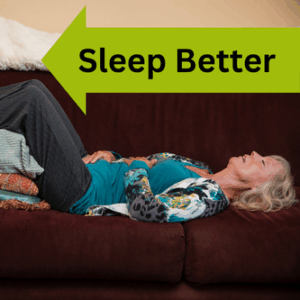
Get the real world tools that you can use tonight to fall asleep faster and stay asleep longer. I’ve tested all these myself… almost every night my friend!